
To Get Georgian Wine, You Have to Get Georgian Culture
Forbes went to Kakheti and came back with something worth reading. Here's what they found — and why it matters.
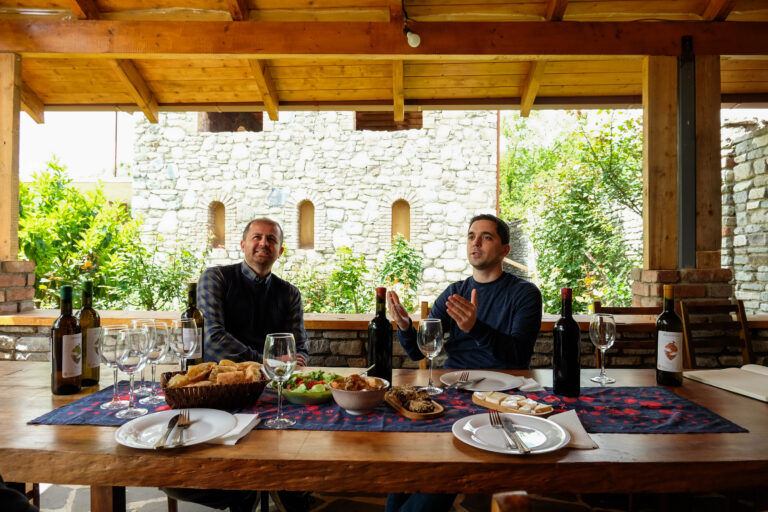
Forbes writer Michelle Williams didn’t write a wine review. She wrote something closer to an origin story, and she got it right. Her recent piece follows Iago Bitarishvili into his marani, where 2,000-liter qvevris sit buried to their shoulders in the earth, sealed with wet clay the same way they’ve been sealed for 8,000 years. The headline says it all: you can’t understand the wine without understanding the culture. We’d argue you can’t understand the culture without drinking the wine, but that’s why we’re here.
The piece opens with the qvevri. Bitarishvili’s line is a keeper: “Georgia is the only country that keeps this technology. Eight thousand years. Never stopped. Never changed.” That’s not a marketing pitch. That’s a fact recognized by UNESCO, which has listed the qvevri tradition as an Intangible Cultural Heritage of Humanity. From there, Williams goes deep on the supra (the Georgian feast), the tamada, and the ritual architecture of toasts that move from God to Georgia to the dead to love to the guests at your table. She lets Kakheti winemaker Ketevan Berishvili land the essential point:
“Wine is not a drink in Georgia. Wine is how we speak to each other. It is how we remember.”
There’s a strong section on Georgia’s grape biodiversity that deserves more attention than it usually gets. Over 525 documented indigenous varieties — more than any country on earth, more than France and Italy combined — recovered not from archives but from elderly farmers who never stopped growing them. Giorgi Natenadze, who has spent decades pulling lost cultivars back from mountain villages in Adjara, puts it simply: “These grapes are not in any book. They exist because someone’s grandmother kept them.” That’s the real Georgian wine story.
The piece closes on a note we appreciate: a clear-eyed warning against flattening all of this into a trend. Georgian wine is not synonymous with orange wine. Qvevri is not an aesthetic. Saperavi is not just another red grape. Berishvili’s invitation at the end is the right one: “Come here, sit at a table, taste with us. Then you will understand.”
Click to read the full article from Forbes below: